
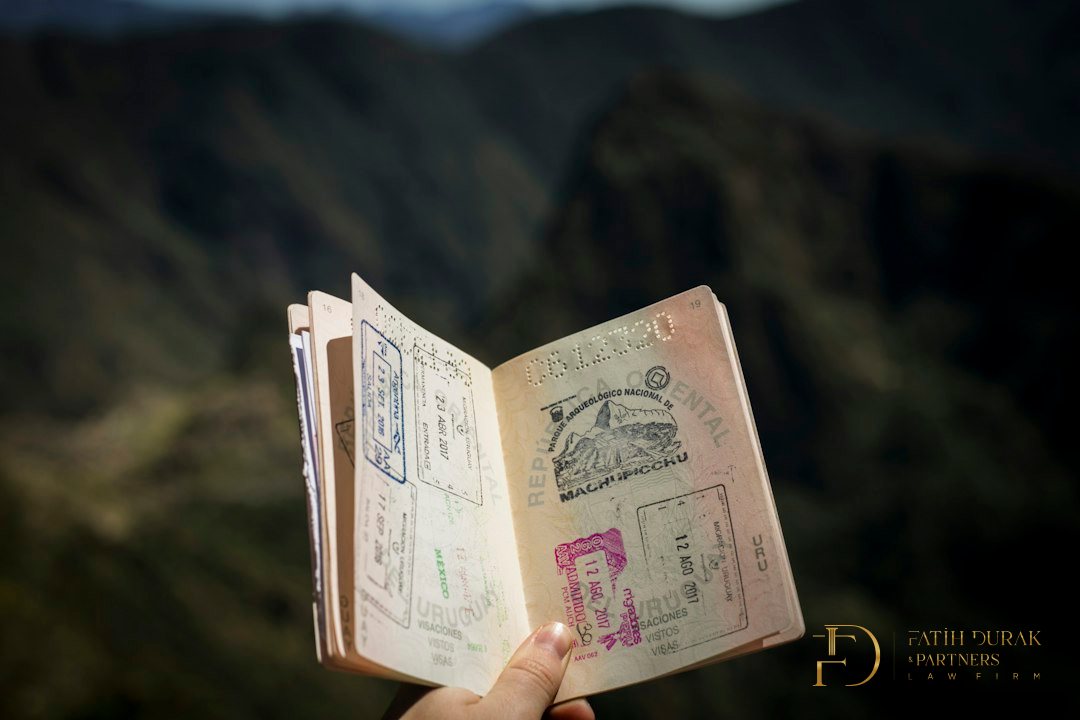

Holding two passports is legal from Türkiye’s side: dual citizenship in Türkiye is permitted for both Turkish citizens who acquire a second nationality and foreigners who become Turkish. Whether you can actually keep both, however, depends on the law of your other country, which Türkiye cannot control. The answer also differs depending on where you start: as a foreigner applying for a Turkish passport, as a Turkish citizen naturalising abroad, or as a child born to a Turkish parent. This guide covers the legal basis, the routes, the paperwork, the benefits and the obligations, including tax and military service.
Key facts
- Legal basis: Article 44 of Turkish Citizenship Law No. 5901; Articles 80 to 85 of its Regulation
- Official term: multiple citizenship (çok vatandaşlık); there is no limit on the number of nationalities
- Turkish citizens need no permission to acquire another nationality, only a notification
- Foreigners do not have to renounce their nationality to become Turkish
- Deciding factor: whether your other country allows it
- Obligations to note: military service for men and tax rules based on residence
Does Türkiye Allow Dual Nationality?
Yes. Under Article 44 of Law No. 5901, a Turkish citizen who acquires a foreign nationality for any reason simply submits the documents, and once the registry confirms it is the same person, a note on multiple citizenship is added to the civil registry. The Law requires notification, not permission.
The same applies in the other direction. When a foreigner acquires Turkish citizenship, Turkish law does not ask them to give up their existing nationality. Türkiye also does not restrict dual citizenship to a list of countries. The only limits come from the other state’s law.
What Are the Requirements for Dual Citizenship in Türkiye?
Turkish law sets no separate requirement for holding two nationalities. The requirements are those of the citizenship you are acquiring:
- If you are a foreigner seeking Turkish citizenship: you must qualify under one of the Turkish routes, such as residence, marriage, investment or descent.
- If you are Turkish and seeking another citizenship: you must meet that country’s naturalisation rules, and that country must not require you to renounce Turkish citizenship.
- If you were born abroad to a Turkish parent: you are Turkish by birth under Article 7 of Law No. 5901, and your birth must be registered.
How to Get Dual Citizenship in Türkiye?
Dual citizenship is complete when you hold both nationalities and the Turkish civil registry reflects it. How you get there depends on your starting point.
If You Are Turkish and Acquire a Second Nationality
- Check that the other country permits you to keep Turkish citizenship.
- Apply for and obtain the foreign citizenship.
- Notify the Turkish authorities under Article 81 of the Regulation: the population directorate in Türkiye or a Turkish embassy or consulate abroad.
- The registry compares your name, surname, date of birth and sex in both records and adds the multiple citizenship note. If you took a new name in the other country and document it, the new name can also be recorded in the remarks section of your civil registry.
If You Are a Foreigner and Acquire Turkish Citizenship
No separate notification is needed. Once citizenship is granted, you are entered in the Turkish civil registry. Whether you keep your original nationality is decided by your home country. Some countries treat acquiring another nationality as an automatic loss of their own.
What Are the Ways to Obtain Turkish Dual Citizenship?
For a foreigner, the main routes to a Turkish passport alongside an existing one are:
- Descent: a child of a Turkish mother or father is Turkish by birth, wherever born (Article 7).
- Residence: five years of uninterrupted legal residence, plus language, income and good character requirements (Article 11).
- Marriage: at least three years of marriage to a Turkish citizen, with the couple living together as a family (Article 16). See our guide to citizenship through marriage.
- Investment and other exceptional grounds: for example, real estate of at least USD 400,000 held for three years, or a Turquoise Card (Article 12). See our citizenship by investment guide.
- Reacquisition: former Turkish citizens can regain citizenship under Articles 13 and 14, often without a residence requirement.
What Documents Are Required for Dual Citizenship in Türkiye?
For the Turkish notification under Article 81 of the Regulation, two documents are mandatory: your Turkish identity card or registry record, and a document showing when you acquired the other nationality and your identity details in that country. In practice, offices usually also ask for:
- A notification form or petition
- The original naturalisation certificate, or a birth certificate if the nationality was acquired by birth
- Your foreign passport
- Documents showing any name change
- Certified Turkish translations of foreign documents, with apostille where applicable
If you are acquiring Turkish citizenship as a foreigner, the documents depend on the route and are set out in the Regulation and on the relevant NVİ application form.
How to Apply for Dual Citizenship in Türkiye?
Strictly speaking, you do not apply for dual citizenship as such. You apply for a citizenship, and dual status follows if both countries allow it. On the Turkish side:
- Notifications by Turkish citizens go to the population directorate where you are registered in Türkiye, or to the Turkish embassy or consulate abroad. Under Article 82 of the Regulation, consulates forward them to the population directorate, where the record is updated.
- Applications by foreigners for Turkish citizenship go to the provincial directorate of population and citizenship in Türkiye or to a Turkish mission abroad, in person or through a representative with a special power of attorney.
If you are unsure whether your second nationality can be registered, or whether a past acquisition was recorded correctly, you can contact us through our contact page.
How Long Does It Take to Get Dual Citizenship in Türkiye?
The notification by a Turkish citizen is an administrative entry and is generally the quickest part. The length of the whole process depends on the citizenship being acquired. For foreigners, Turkish law sets no fixed decision period for naturalisation; the time depends on the route, the completeness of the file and the security check. Investment based applications are usually faster than residence based ones because they skip the five year wait, but no official processing time is published.
What Are the Benefits of Dual Citizenship in Türkiye?
As a Turkish citizen, you have the same rights in Türkiye as any other citizen, while keeping the rights your other nationality gives you elsewhere. In Türkiye, that means:
- Living in Türkiye without a visa or residence permit
- Working without a work permit
- Voting and standing for election
- Buying and inheriting property without the limits that apply to foreigners
- Access to education, healthcare and social security on the same terms as citizens
- Turkish citizenship for your children by birth
Your Turkish passport also gives its own visa access, which may complement the one you already have.
What Are the Disadvantages of Dual Citizenship in Türkiye?
Two nationalities bring two sets of obligations. The points people most often overlook are:
- Military service: Turkish men have a military service obligation, although there are deferment and paid options for those living abroad.
- Limited consular protection: when you are in your other country, that country will generally treat you as its own citizen, which limits what Türkiye can do for you there, and vice versa.
- Entry documents: it is advisable to enter Türkiye with your Turkish identity card or passport, so keep at least one of them valid.
- Possible loss of your other nationality: if your home country does not accept dual citizenship, acquiring Turkish citizenship may end it.
Which Countries Allow Dual Citizenship with Türkiye?
Türkiye accepts dual citizenship with any country. The real question is which countries accept it with Türkiye, and this is covered in the section on your home country below. As these rules change, always check your country’s official sources before applying.
Can Turkish Dual Citizenship Be Revoked or Lost?
Yes, in specific cases. Under Article 29 of Law No. 5901, Turkish citizenship may be taken away by Presidential decision from people who, without permission, serve voluntarily in a foreign army, or who continue in a foreign state service contrary to Türkiye’s interests after being asked to leave it. Under Article 31, citizenship obtained through false statements or by concealing material facts is revoked.
You can also give up Turkish citizenship voluntarily with a renunciation permit (Article 25), for example when your other country requires it. If you were Turkish by birth, you may then receive the Blue Card (Mavi Kart) under Article 28, which preserves most of your rights in Türkiye.
What Does Your Home Country Say?
Dual citizenship in Türkiye is only half the picture. Your other country decides whether you keep your existing nationality. The examples below are general and can change, so confirm the current rule with your country’s authorities.
A. Countries That Fully Allow Dual Citizenship
Countries such as the United Kingdom, the United States, Canada, France and Sweden generally allow their citizens to hold another nationality. Germany joined this group on 27 June 2024. Before that date, Turkish citizens naturalising in Germany usually had to give up Turkish citizenship, which is why many hold the Blue Card today.
B. Countries That Strictly Forbid Dual Citizenship
Some countries end your citizenship automatically when you voluntarily acquire another. Examples commonly cited include China, India and Japan. If you are a citizen of such a country, becoming Turkish may cost you your original nationality.
C. Countries with Conditional or Changing Rules
Other countries allow dual citizenship only in certain situations. Austria, for instance, generally requires a retention permit before you acquire another nationality, and the Netherlands applies exceptions such as marriage. Norway and Denmark changed their rules in recent years to allow it. These rules are technical, so check them before you apply rather than after.
Key Obligations for Dual Citizens in Türkiye
A. Taxation on Global Income
A common misunderstanding is that Turkish citizens are taxed in Türkiye on their worldwide income. Under the Turkish Income Tax Law No. 193, the test is residence, not citizenship. Under Articles 3 and 4, you are taxed in Türkiye on your worldwide income if your legal domicile is in Türkiye or you stay in Türkiye continuously for more than six months in a calendar year. If you are not resident, you are taxed in Türkiye only on income earned in Türkiye (Article 6). Double tax treaties between Türkiye and many countries help avoid being taxed twice on the same income.
B. Mandatory Military Service
Turkish men remain subject to military service under Military Service Law No. 7179, even if they hold another nationality. For dual citizens living abroad, the Law offers practical options:
- Deferment of all military procedures until the end of the year in which you turn 35, through a Turkish consulate (Article 38). The deferment is cancelled if you spend more than half of any calendar year in Türkiye.
- Foreign currency military service: Dual citizens who have actually lived abroad for at least three years (1,095 days) can complete their obligation without a work requirement by paying a set amount in euros (or an equivalent convertible foreign currency) and completing the Ministry’s online training (Article 39(2)).
- Men who acquire Turkish citizenship at 22 or older, or who already served in their previous country, are treated as having completed military service (Article 43). This does not apply to those who become citizens through descent.
What Should You Check Before Becoming a Dual Citizen in Türkiye?
Start with your other country’s rules, because they decide whether you keep both passports. Then check your military service position if you are a man, and your tax residence if you will spend long periods in Türkiye. Keep your Turkish registry and identity documents up to date after any change. If you would like these points reviewed for your situation, you can reach us through our contact page.
Frequently Asked Questions (FAQ)
Do I Have to Give Up My Current Citizenship to Get a Turkish Passport?
Not under Turkish law. Türkiye does not require renunciation. Your home country may, so check its rules before applying.
Do Dual Citizens Have to Serve in the Turkish Military?
Turkish men have the obligation regardless of their other nationality. Those living abroad can defer it until 35 or complete it through foreign currency military service after three years abroad. Men naturalised at 22 or older are treated as having served.
Does Marriage to a Turkish Citizen Automatically Grant Dual Citizenship?
No. Marriage does not grant citizenship automatically. A foreign spouse can apply after at least three years of marriage, provided the couple lives together as a family and the other conditions in Article 16 of Law No. 5901 are met.
Can Dual Citizens Vote in Turkish Elections?
Yes. Dual citizens have the same voting rights as other Turkish citizens. Citizens living abroad can vote at designated polling places abroad or at border gates, under the election rules. Blue Card holders, who are no longer Turkish citizens, cannot vote.
Sources
- Turkish Citizenship Law No. 5901 (official English translation, NVİ)
- Turkish Citizenship Law No. 5901 (current Turkish text)
- Regulation on the Implementation of the Turkish Citizenship Law (in Turkish)
- NVİ: Multiple Citizenship (in Turkish)
- Military Service Law No. 7179 (in Turkish)
- Income Tax Law No. 193 (in Turkish)